Wearable Technologies
ReGAIN uses a number of wearable health devices that monitor, train and stimulate the brain and the body as well as show progress and encourage you in your wellness journey. Research has shown that effective brain training and stimulation requires consistent use for at least six months. All technologies used by ReGain are widely applied in clinical and research settings and are considered safe when used as directed.
Please note that these wearable technologies are not a substitute for medical treatment or therapy and, while it may be beneficial for certain medical conditions, it is not a guaranteed cure or treatment. The information provided is for informational purposes only, not medical advice.
Neurofeedback
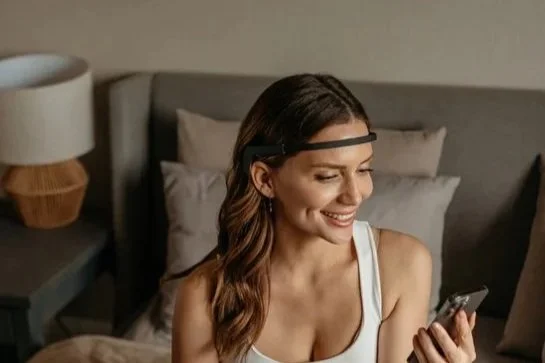
Neurofeedback is a non-invasive way to train the brain using real-time feedback and is a highly personalized way to train the brain and improve performance. It intercepts and offers you direct feedback on your brain activity. By reinforcing healthier brainwave patterns, it helps improve attention, emotional regulation, cognitive function, and mental flexibility, often leading to a reduction in symptoms.
Hundreds of studies have been published in the scientific literature showing that by teaching the brain to self-regulate, this type of training can be a helpful tool for improving mental health, improving cognitive functioning, as well as promoting relaxation, reduce stress, and boost overall wellbeing.
At ReGain 360, we use two types of neurofeedback wearables.
Myndlift offers multiple evidence-based programs and a new method of brain mapping that’s called qEEG (or sequential EEG), where the entire process can be done from home using a wearable device and remote, professional supervision can be done from afar. Through the ReGAIN 360 programs, your progress is closely monitored and adjusted to support lasting, optimal results.
The Muse S Athena is a wearable brain-sensing headband that uses EEG and fNIRS technology to provide real-time feedback about brain activity, cognitive effort, relaxation, and sleep-related recovery. This allows clients to better understand how their brain responds to focus, stress, breath, meditation, and rest.
When paired with Myndlift, Muse-based training becomes more personalized. Myndlift combines brain mapping, cognitive testing, symptom questionnaires, and guided neurofeedback plans to help identify patterns that may affect focus, mental stamina, and self-regulation.
For older adults, this combination offers a practical, engaging way to “exercise” the brain. Sessions may help reinforce calmer nervous system states, improve sustained attention, and support healthier brain habits over time. While neurofeedback is not a cure for cognitive decline, it can be a valuable part of a broader ReGAIN brain-health plan that includes sleep, nutrition, movement, stress reduction, social connection, and targeted lifestyle support.
VieLight Neuro - Photobiomodulation
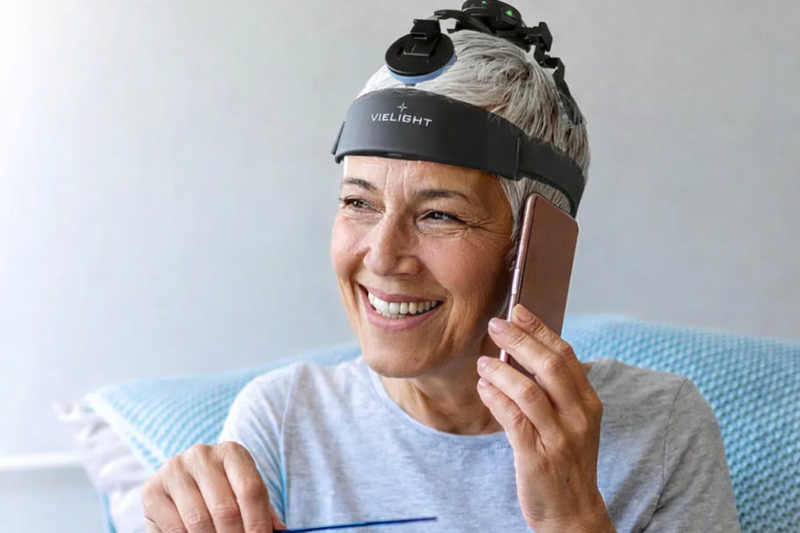
At ReGAIN, we use the Vielight Neuro Pro 2 as a gentle, non-invasive light-based therapy to support brain health in older adults. This approach, called brain photobiomodulation, uses near-infrared light delivered through the scalp and the nose to stimulate areas of the brain involved in memory, attention, mood, and mental clarity.
Research suggests that specific wavelengths of light may help brain cells make energy more efficiently, support healthier cell function, and improve communication between brain networks. In one study of healthy older adults, a 20-minute Vielight session produced measurable EEG changes, shifting the brain away from slower “drowsy” wave patterns and toward brainwave activity associated with alertness, focus, and cognitive readiness.
At ReGAIN, we do not present Vielight as a cure. We use it as one supportive tool within a larger brain-health plan that may include sleep, nutrition, exercise, stress reduction, HRV biofeedback, and cognitive training. Photobiomodulation (PBM) is a non-invasive, light-based therapy that early research suggests may support brain function as we age.
Dr. Greg monitors activity with brain mapping so clients can see the progress they are making.
HeartMath HRV Biofeedback
At ReGAIN, we view brain health as more than memory, focus, or mental performance. The brain is deeply connected to the heart, nervous system, breath, emotions, and daily patterns of stress and recovery. One simple way to observe this connection is through heart rate variability, or HRV.
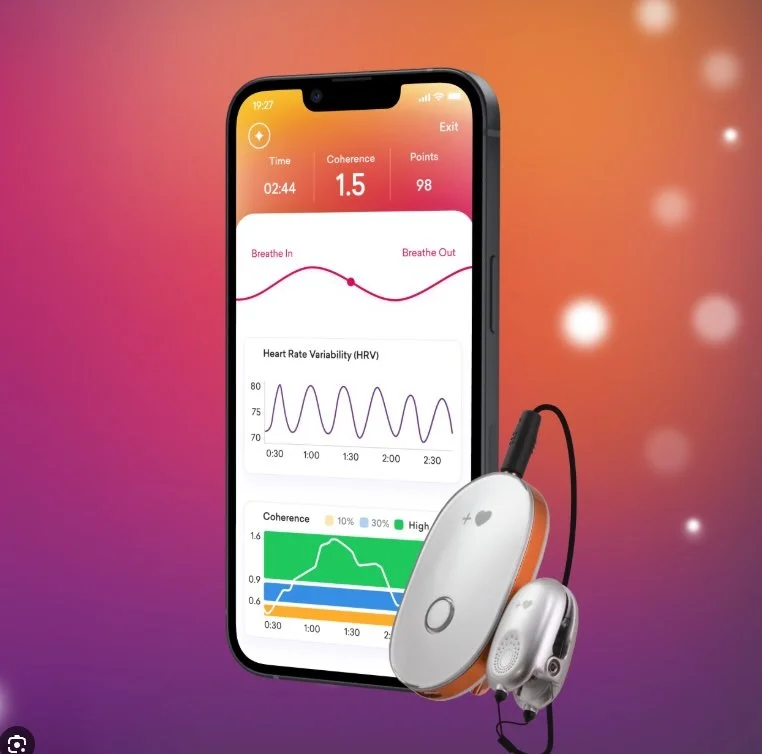
HRV measures the subtle beat-to-beat changes in heart rhythm. A healthy heart does not beat like a metronome. Instead, it naturally adapts from moment to moment, responding to breathing, movement, emotion, and stress. Higher and more flexible HRV is often associated with better resilience, emotional regulation, and nervous system balance.
HeartMath biofeedback helps make this invisible process visible. Using a small sensor, you can see how your heart rhythm changes in real time. With slow breathing, positive emotion, and focused attention, many people learn to shift into a more coherent state—where the heart, breath, and nervous system begin working together more efficiently.
Why does this matter for brain health? Chronic stress can keep the body in a state of overactivation, affecting sleep, inflammation, mood, attention, and memory. HRV biofeedback offers a practical way to train the nervous system toward calm alertness. Over time, this may support clearer thinking, better emotional steadiness, improved recovery, and a greater sense of inner balance.
HeartMath is not a cure for cognitive decline or neurological disease. But it can be a valuable self-regulation tool within a broader brain-health plan that includes sleep, movement, nutrition, connection, purpose, and stress reduction.
At ReGAIN, we use tools like HRV biofeedback to help people reconnect with their body’s own signals—and to build the daily resilience that supports a healthier brain, body, and spirit.